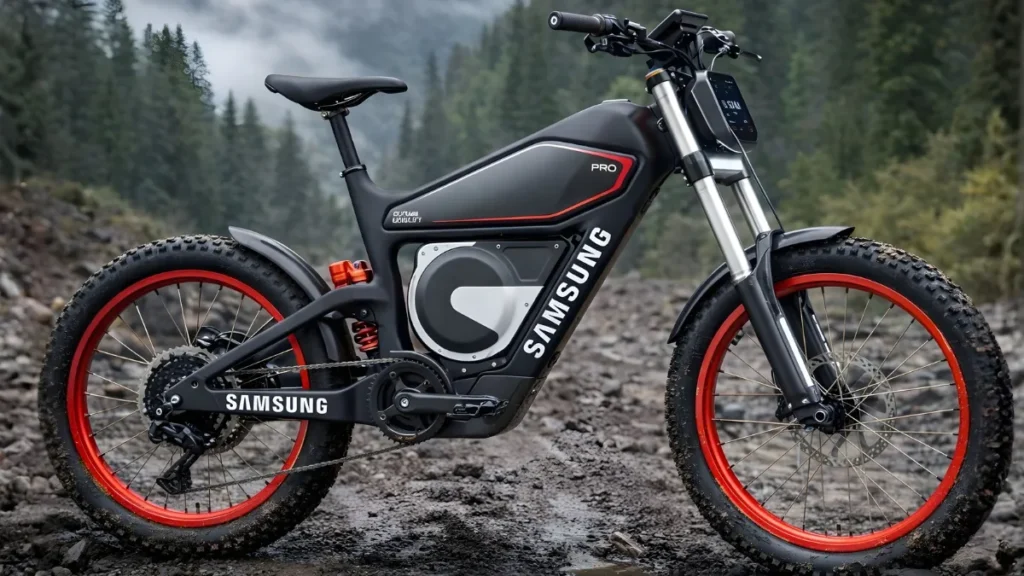
2026 Samsung Electric Cycle Launch: Electric mobility is no longer a luxury concept in India. It is becoming a daily necessity. Rising fuel prices, traffic congestion, and the growing demand for affordable transport have pushed electric cycles into the spotlight. Now, news about a 2026 Samsung Electric Cycle with a claimed 200KM range, 50 km/h speed, and a ₹17,000 price tag is spreading rapidly online. The specifications sound almost unbelievable, and that is exactly why people are talking about it everywhere.
Massive Range That Turns Heads
The biggest talking point is the claimed 200KM range on a single charge. For regular city riders, even 50 to 60 kilometers is more than enough for daily commuting. A 200KM range would mean charging just once or twice a week for most users. College students, office commuters, and delivery partners would find this extremely convenient. However, real-world range always depends on riding style, terrain, battery size, and weight load. Official testing details will be important.
Speed That Feels Next Level
A top speed of 50 km/h places this electric cycle in a completely different category. Most electric cycles in India are limited to 25 km/h to avoid registration and licensing requirements. A 50 km/h speed would offer a much quicker commute but may also require additional road compliance and safety regulations. Riders will need clarity on whether it falls under electric bicycle rules or electric scooter norms before taking it on public roads.
Price That Sparks Curiosity
The ₹17,000 price claim is what makes this story viral. In the current market, electric cycles with moderate battery capacity usually cost much higher. Offering long range, high speed, and advanced features at this price sounds extremely aggressive. It raises questions about production cost, battery quality, and after-sales support. Buyers should remain cautious and wait for an official announcement instead of depending on viral social media information.
Smart Features Could Lead
If Samsung actually steps into this segment, smart technology will likely be a major highlight. Features like digital display, mobile app connectivity, GPS tracking, ride analytics, and anti-theft systems could be part of the package. Samsung’s expertise in electronics and connected devices could help create a strong ecosystem experience. Seamless integration with smartphones would attract tech-savvy buyers looking for more than just basic transportation.
Battery Performance Matters Most
The heart of any electric cycle is its battery. To deliver a 200KM range, a high-capacity lithium-ion battery would be necessary. Charging time, battery life cycles, and warranty coverage will play a huge role in buyer confidence. Fast charging support could make the product more practical for daily use. At the same time, replacement cost and service availability will be equally important in the long run.
Market Impact Could Be Huge
India’s electric mobility market is already competitive, with several brands offering reliable electric cycles. If Samsung launches a product with competitive pricing and strong features, it could disrupt the segment quickly. Established players may need to adjust pricing or introduce upgraded models. Brand trust combined with affordability can create massive demand, especially among middle-class buyers looking for budget-friendly options.
Official Confirmation Still Pending
As of now, there has been no clear official statement confirming these specifications or pricing. Many online posts are generating excitement, but authentic information should always come directly from the company. Consumers should verify details before making purchase decisions. Viral claims often exaggerate features to attract attention, and practical performance may differ from promotional highlights.
Final Word For Buyers
The 2026 Samsung Electric Cycle story reflects how strongly people want affordable, high-range electric transport. A combination of 200KM range, 50 km/h speed, and ₹17,000 pricing sounds revolutionary. However, smart buyers should wait for official specifications and transparent details before getting carried away by the hype. If even part of these claims turn out to be true, it could mark a significant shift in India’s electric mobility landscape.